Waymo San Antonio Service Returns After Five-Month Pause
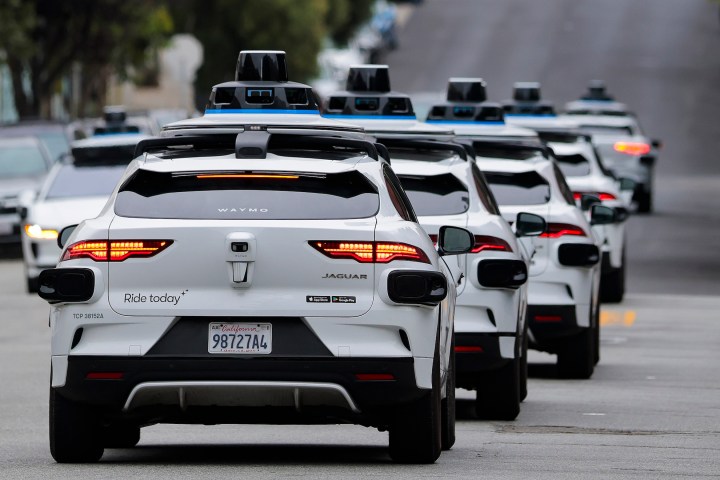
The Waymo San Antonio service has restarted, five months after one of its robotaxis was swept away during a flash flood in the Texas city. The company has resumed paid rides with dozens of vehicles operating across a 60-mile area that includes downtown and the San Antonio International Airport.
The restart follows a recall issued in May and a series of software changes designed to help the vehicles better detect and avoid standing water. Waymo says the updates will improve how its robotaxis respond to flooded streets in the future.
What Happened During the April Flooding
In April, multiple Waymo robotaxis got stuck during heavy flooding in San Antonio. The vehicles slowed but did not stop as they approached water-logged streets. One vehicle was ultimately swept away by the force of the flash flood.
The incident raised serious questions about how autonomous vehicles handle extreme weather. Waymo responded by issuing a recall in May and restricting its robotaxis from driving in areas with elevated risk of flooding.
The company also briefly paused operations around the same time in other cities in Texas. Those services have since resumed.
Software Changes Aimed at Flood Detection
Waymo has made changes to its software to help its robotaxis better detect and avoid standing water. The company has not disclosed the full technical details, but the goal is to prevent a repeat of the April incident.
Flood detection is a critical challenge for autonomous vehicle developers. Unlike human drivers who can often see and assess water depth, robotaxis rely on sensors and software to make those judgments. If the technology fails to recognize a flooded street, the consequences can be severe.
The Waymo San Antonio service restart suggests the company believes its updates address the specific conditions that caused problems in April. However, the true test will come during the next heavy rain event.
Where the Service Operates Now
The resumed Waymo San Antonio service involves dozens of vehicles covering a 60-mile area. This zone includes downtown San Antonio and the San Antonio International Airport.
The 60-mile coverage area is designed to serve some of the most heavily trafficked parts of the city. The airport is a key destination for both business and leisure travelers, making it a logical anchor for the service.
By focusing on these high-demand areas, Waymo aims to provide a reliable and convenient option for riders. The company has not announced plans to expand the service area beyond the current 60-mile zone.
Waymo’s Growing National Footprint
The restart of the Waymo San Antonio service comes as the company continues to expand across the United States. Waymo is now offering paid rides in 15 U.S. cities, a milestone that underscores its ambition to lead the autonomous vehicle industry.
Despite the setback in San Antonio, Waymo has continued to grow its operations in other markets. The company’s ability to resume service in San Antonio while maintaining operations elsewhere suggests it has learned valuable lessons from the April flooding incident.
The 15-city milestone is significant for the robotaxi industry as a whole. It shows that autonomous vehicle technology is moving from experimental pilots to commercial services in multiple markets.
The Importance of Flood Detection for Robotaxis
Flood detection is one of the most difficult challenges for autonomous vehicle developers. Water on a road can be deceptive, appearing shallow when it is actually deep enough to stall or sweep away a vehicle.
For robotaxis, the problem is compounded by the need to make split-second decisions. A human driver might slow down, stop, or turn around when approaching a flooded street. A robotaxi must rely on its sensors and software to make those same judgments in real time.
Waymo’s experience in San Antonio highlights the importance of robust flood detection systems. The company’s software updates are a step in the right direction, but they also serve as a reminder that autonomous vehicles must be prepared for a wide range of environmental conditions.
What This Means for Riders
For riders in San Antonio, the return of the Waymo San Antonio service means a new option for getting around town. The service includes trips to and from the airport, which could be particularly appealing for travelers.
The cautious approach Waymo has taken, limiting the service area and updating its software, suggests the company is prioritizing safety over speed. For passengers, that caution is likely welcome news.
When riders hail a Waymo in San Antonio, they are riding in a vehicle that has been updated to handle the kinds of conditions that caused problems in April. The company has also restricted its robotaxis from driving in areas with elevated risk of flooding.
Looking Ahead
The Waymo San Antonio service restart is a positive sign for the robotaxi industry. It shows that companies can recover from setbacks and improve their technology in response to real-world challenges.
However, the incident also raises questions about how autonomous vehicles should handle extreme weather events. As climate change increases the frequency and intensity of floods in many parts of the world, robotaxi companies will need to invest in technology that can reliably detect and avoid flooded roads.
For now, Waymo is focused on providing safe and reliable rides to passengers in San Antonio. The lessons learned in the city will likely inform how the company approaches flood risk in other regions.
The Waymo San Antonio service is back, five months after a flash flood swept away one of its vehicles. The company has issued a recall, updated its software, and restricted its operations to areas with lower flood risk.
The service now covers a 60-mile area that includes downtown and the airport. Waymo is offering paid rides in 15 U.S. cities, and the lessons from San Antonio will play a role in shaping how the company approaches safety and risk management going forward.
For riders in San Antonio, the return of the service means a new way to get around town, with the knowledge that the company has taken steps to prevent a repeat of April’s events.