Thatch $1B Valuation: Health Benefits Platform Hits Unicorn Status
Thatch, a health benefits platform that lowers healthcare costs for employers while expanding plan choices for workers, has reached a **$1 billion valuation** after raising $108 million in new funding. The round was led by existing investors: The General Partnership, Index Ventures, General Catalyst, and Andreessen Horowitz.
- Thatch $1B Valuation: Health Benefits Platform Hits Unicorn Status
- Rapid Revenue Growth Drives Thatch $1B Valuation
- How Thatch Helps Employers Manage Healthcare Costs
- A Win-Win for Employers and Workers
- Competition in the ICHRA Marketplace
- What the Thatch $1B Valuation Means for the Industry
- Key Details at a Glance
- Frequently Asked Questions
The **Thatch $1B valuation** milestone comes just 17 months after the company raised a $40 million Series B at a $410 million valuation. It represents a remarkable leap for a company that is not, at its core, an AI startup.
Rapid Revenue Growth Drives Thatch $1B Valuation
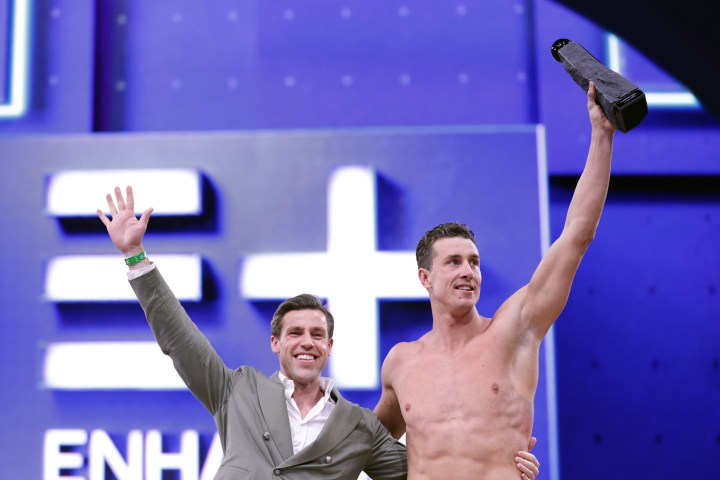
Thatch grew its annual recurring revenue about seven times, according to co-founder and CEO Chris Ellis. Ellis co-founded Thatch in 2021 alongside former Stripe engineering executive Adam Stevenson.
The Thatch $1B valuation reflects two major forces driving the startup’s growth. First, employer healthcare costs keep surging, with 2027 expenses projected to jump over 8% — the largest increase since 2003. At the same time, employees are increasingly eager to access new treatments like GLP-1 drugs such as Ozempic and Wegovy, which traditional health plans rarely cover.
How Thatch Helps Employers Manage Healthcare Costs
Thatch helps employers keep healthcare costs manageable by offering an individual plan marketplace through what is known as an ICHRA (Individual Coverage Health Reimbursement Arrangement). This model was created by federal regulation in 2020 and lets companies fund employees’ own individual insurance plans instead of enrolling everyone in one company-wide plan.
Under ICHRAs, which recently rebranded as CHOICE, employers no longer have to negotiate traditional healthcare agreements with individual insurance carriers like Anthem or United Healthcare. Instead, companies set a fixed health budget for each worker, who can then use those pre-tax funds to choose among dozens of health, dental, and vision plans on Thatch’s marketplace.
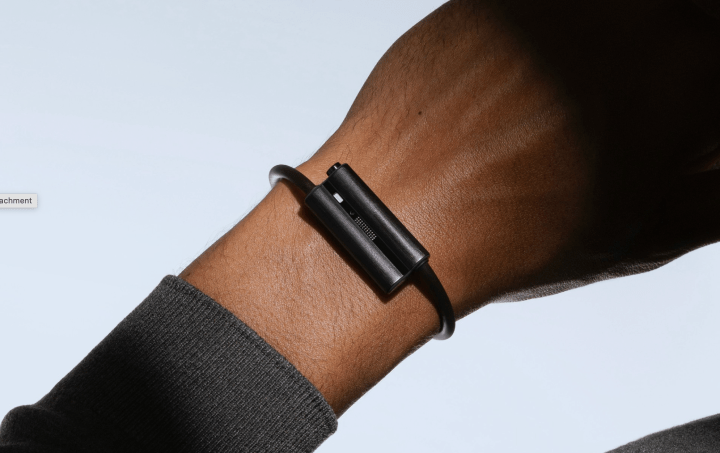
Thatch uses AI to recommend the optimal health plan for each employee’s specific needs. Those needing extensive care can supplement their allowance out of pocket for comprehensive coverage. Healthier workers, meanwhile, can opt for lower-cost plans and use the leftover funds via a Thatch debit card for other eligible health expenses like GLP-1s or an Oura Ring.
A Win-Win for Employers and Workers
Ellis claims that this arrangement is a win-win for employers and workers.
“If [employees] don’t like their insurance, they can switch to another one,” he said. “It creates pressure on insurers to compete for better service, denying fewer claims because they want to keep you as a customer.”
The benefit to employers is that they no longer have to renegotiate with carriers annually, yet they can still provide the same level of coverage, often at a slightly lower cost, he said.
Competition in the ICHRA Marketplace
Thatch is not the only company taking advantage of the six-year-old regulation to offer employers an alternative to the traditional healthcare benefits model. Competitors include other startups such as Take Command, Remodel Health, and Zorro.
“People are waking up to this because of costs, but then they’re realizing this is a better, more efficient way to do it,” Ellis said.
What the Thatch $1B Valuation Means for the Industry
The Thatch $1B valuation signals growing investor confidence in alternatives to the traditional employer-sponsored health insurance model. As healthcare costs continue to climb and employees demand more personalized coverage options, platforms like Thatch are positioned to capture a growing share of the market.
The funding will likely support Thatch’s continued expansion, product development, and efforts to attract more employers looking for cost-effective healthcare benefit solutions.
Key Details at a Glance
| Detail | Information |
|---|---|
| Company | Thatch |
| Founded | 2021 |
| Co-founders | Chris Ellis (CEO) and Adam Stevenson |
| New Funding | $108 million |
| Valuation | $1 billion |
| Previous Round | $40 million Series B |
| Previous Valuation | $410 million |
| Time Since Last Round | 17 months |
| Investors | The General Partnership, Index Ventures, General Catalyst, Andreessen Horowitz |
| Model | ICHRA (now rebranded as CHOICE) |
| Annual Recurring Revenue Growth | Approximately 7x |
| Projected 2027 Employer Healthcare Cost Increase | Over 8% |
Frequently Asked Questions
What is Thatch?
Thatch is a health benefits platform that helps employers lower healthcare costs while giving workers more plan choices through an ICHRA model.
Why did Thatch reach a $1 billion valuation?
Thatch reached a $1 billion valuation after raising $108 million from existing investors, driven by rapid revenue growth and surging demand for alternative healthcare benefits.
What is an ICHRA?
An ICHRA (Individual Coverage Health Reimbursement Arrangement) is a federally created model from 2020 that allows employers to fund employees’ individual insurance plans instead of enrolling everyone in one company-wide plan. It has recently been rebranded as CHOICE.
Who are Thatch’s competitors?
Thatch competes with other startups in the ICHRA space, including Take Command, Remodel Health, and Zorro.
How does Thatch use AI?
Thatch uses AI to recommend the optimal health plan for each employee’s specific needs based on their circumstances and preferences.
The Thatch $1B valuation marks a significant milestone for a company that is reshaping how employers and employees approach health insurance. By leveraging the ICHRA model, Thatch offers a flexible, cost-conscious alternative to traditional group plans — and investors are betting big on its future.