Meta AI Glasses Go Camera-Free With Ray-Ban Meta Audio
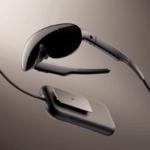
Meta has introduced its first pair of camera-free Meta AI glasses, the Ray-Ban Meta Audio, at its Connect 2026 conference. The new audio-only Meta AI glasses are designed to address criticism around the more malicious use cases that led some to nickname earlier models “pervert glasses.”
The glasses are built by EssilorLuxottica, Meta’s partner in its AI hardware efforts, and start at $349.
What the Ray-Ban Meta Audio Can Do
Unlike Meta’s existing lineup, the Ray-Ban Meta Audio skips the camera entirely. Instead, the Meta AI glasses focus on sound and voice. With them, you can:
Listen to music and podcasts
Take phone calls
Translate speech
Communicate with Meta’s AI assistant, Muse
“Once you get used to high-quality audio, it’s just a thing that you want all the time, right?” Meta CEO Mark Zuckerberg said during a keynote Wednesday. He added that after working on the idea, the company realized it could design a whole new category of glasses around audio.
Why Meta Dropped the Camera
Meta already offers AI glasses in a range of styles, colors, and capabilities. But critics pointed out how people, often men, were using the devices to record videos without subjects’ consent.
Meta tried to mitigate the issue with an update that would disable the camera if the LED recording indicator was ever tampered with. However, the creepiness factor remained.
The camera-free Meta AI glasses could help the brand recover from some of that reputational damage. They also provide an answer to something like Apple’s Siri-powered AirPods.
Design, Weight, and Battery Life
Because they don’t have to house cameras, the Ray-Ban Meta Audio glasses are slimmer than Meta’s other models and weigh only 43 grams.
Key hardware details include:
Adjustable temple tips
Swappable nose pads
Overextension hinges
Up to 12 hours of battery life on a single charge
Up to 48 hours with the included charging case
They’ll come in 23 color and lens combinations and in two new styles. The first is a retro-inspired “Clubmaster” Ray-Ban style. The second is “Burbank,” described as a more classic, timeless rectangle shape. Like other Meta glasses, you can order them with your optical prescription if needed.
The glasses will be available for preorder on October 13.
Ray-Ban Meta (Gen 3) Also Announced
Alongside the audio-only model, Meta announced its next-generation AI glasses with cameras, the Ray-Ban Meta (Gen 3).
In addition to the Ray-Ban Meta Wayfarer, there will be two new styles: the Aviator and Zena, the latter offering more of a cat-eye frame shape. These feature:
A 12 MP camera supporting 3K Ultra HD video
A six-mic array
Up to nine hours of battery life
The glasses Meta launched with EssilorLuxottica will also see an expanded lineup of styles and colors. A new partnership with singer Lisa follows the company’s earlier brand partnership with Kylie Jenner. The glasses will also roll out to more countries globally.
All of Meta’s AI glasses will feature access to its newer personal AI assistant, Muse.
Other Updates Meta Teased
Meta also previewed other coming updates for its Meta AI glasses lineup, including:
Support for Dolby Atmos Capture
A feature that picks the best photo from multiple frames
An option to choose landscape or portrait modes
Hearing enhancements for those with hearing loss
More detailed responses
Different audio modes
Customizable controls
“Private processing,” which Meta claims will prevent the company from seeing your data
These additions suggest Meta is treating audio, camera, and assistant features as one connected platform rather than separate products.
What the Camera-Free Approach Means for Buyers
For anyone uncomfortable with camera-equipped glasses, the Ray-Ban Meta Audio offers a simpler proposition. There is no lens to worry about covering, no recording indicator to explain, and no video to manage. What remains is audio, calls, translation, and access to Muse.
That trade-off shapes the design as well. Without a camera module, the frame stays slim at 43 grams. Battery life stretches to 12 hours on a single charge, or up to 48 hours with the charging case. For daily use, that means charging roughly once a day rather than constantly topping up.
Style options matter too. With 23 color and lens combinations, plus two new frame shapes and prescription support, the Meta AI glasses are positioned as everyday eyewear first. Audio and AI features sit on top rather than defining the look.
The Ray-Ban Meta Audio marks Meta’s first camera-free entry into the AI glasses market. It arrives at $349 with preorders opening October 13. For buyers put off by privacy concerns, the audio-only Meta AI glasses offer a slimmer, lighter alternative.
Meanwhile, the Gen 3 lineup pushes camera capability further with 3K video and new frame styles. Meta is betting that audio alone can open a new category, even as it continues to expand its camera-equipped range worldwide.